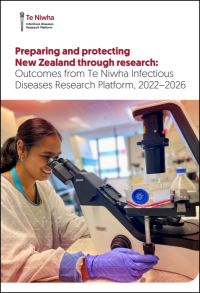
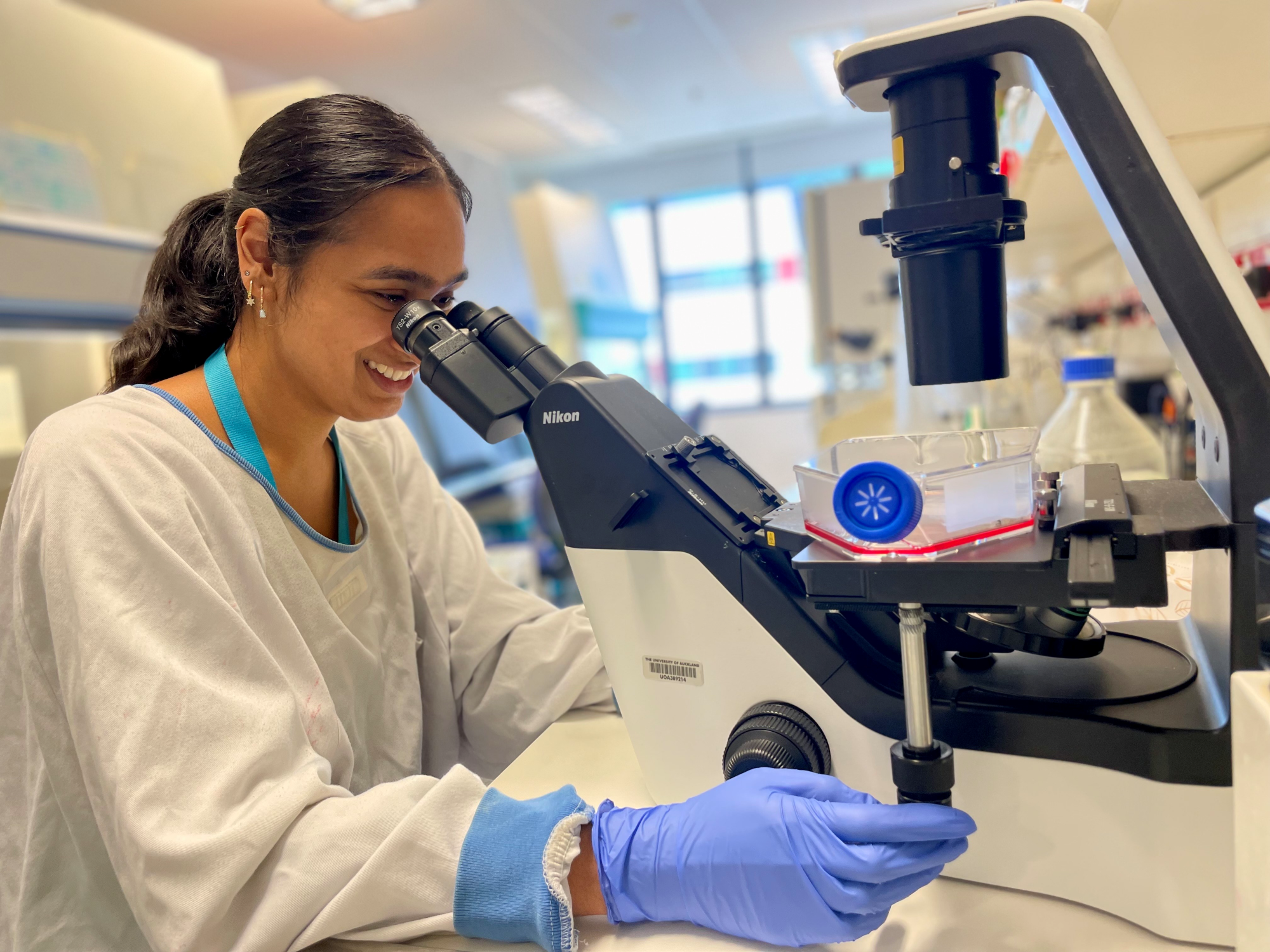
A new e-book on the research, capability-building and national collaboration delivered through the Te Niwha Infectious Diseases Research Platform has been released, showcasing work to help improve New Zealand’s preparedness and response to future pandemics and infectious disease threats.
The e-book, Preparing and protecting New Zealand through research: Outcomes from Te Niwha Infectious Diseases Research Platform, 2022–2026, brings together key findings, collaborations and real-world impacts from more than 95 research projects, funded since Te Niwha was established in 2022, as a response to the lessons of COVID-19.
Te Niwha, whose $36 million government funding contract finishes at the end of February, was co-hosted by the New Zealand Institute for Public Health and Forensic Science (PHF Science) and the University of Otago. Since its inception, the platform has connected more than 300 researchers across the country, strengthening relationships between scientific discovery, public health systems and communities.
The e-book reflects the breadth and importance of the work delivered through Te Niwha which was created to ensure New Zealand could respond to infectious disease threats in a way that is coordinated, evidence-based and grounded in the needs of communities.
The e-book is a record of what the funding and the research achieved, and shows what is possible when researchers, communities and institutions work together.
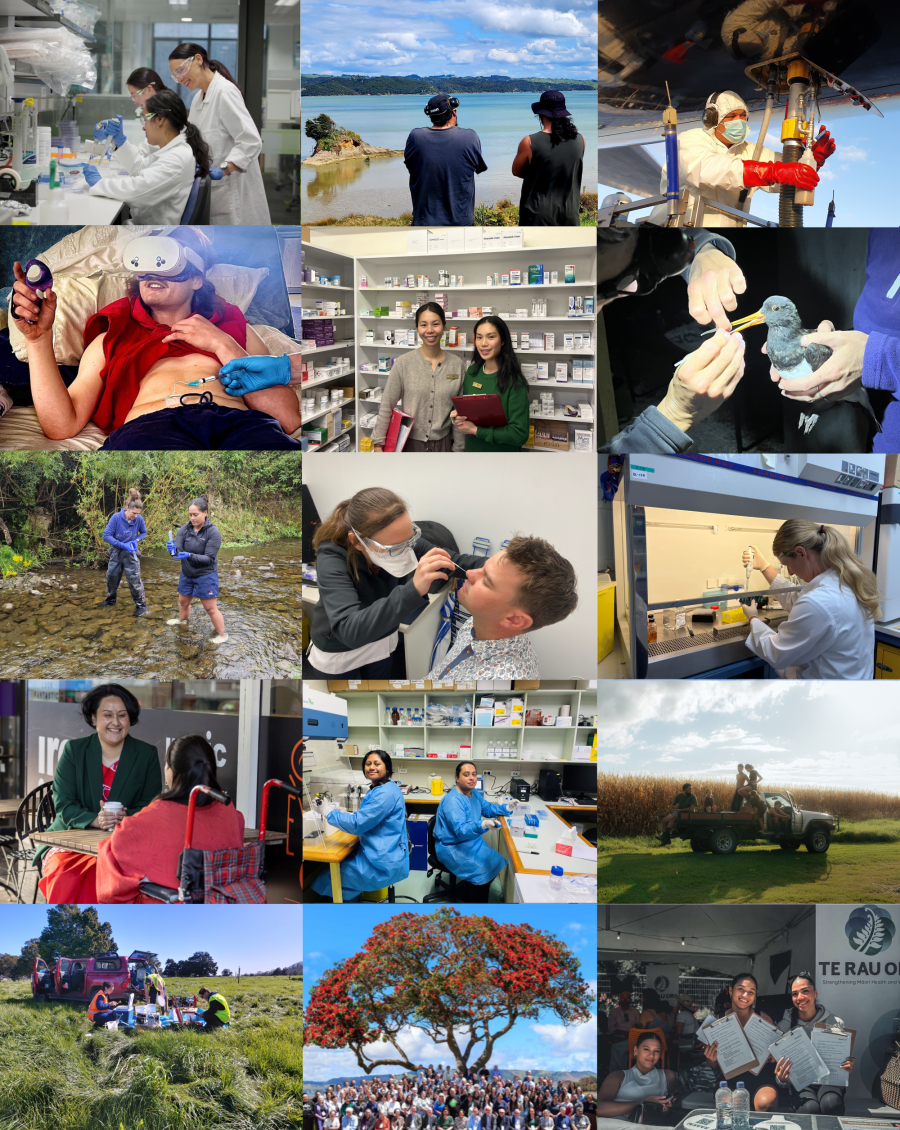
The book highlights a diverse portfolio of research supporting better health outcomes and improved readiness for future infectious-disease threats, including:
- Developing national antibiotic use guidelines to streamline use and reduce the risk of antibiotic resistance.
- A Māori-led initiative strengthening drinking water safety at marae, training local water champions, and auditing and testing selected marae drinking water supplies to identify risks to better protect communities relying on small or unregulated water supplies.
- A large trans-Tasman trial testing a medicine called OM-85 to prevent hospitalisations in preschool-aged children with recurrent wheeze.
- Efforts to strengthen New Zealand’s readiness for the potential arrival of avian influenza H5N1, using advanced genomic surveillance and environmental monitoring.
- Research repurposing existing anti-cancer drugs as potential broad-spectrum antivirals, aiming to develop safe ready-to-use treatments that can protect communities during emerging outbreaks.
Te Niwha has helped to build lasting national research capability, strengthening collaborations and growing research leadership that will endure well beyond the life of the funding platform. That foundation is critical as infectious disease threats continue to evolve to help New Zealand prepare and respond to future pandemics.
The release of the e-book comes as Te Niwha transitions to the next phase of infectious diseases research hosted by PHF Science (formerly ESR). In late 2025, the Government announced a further $75 million investment in infectious diseases research over seven and a half years to continue to build and deepen New Zealand’s preparedness for future pandemics and emerging infectious disease threats.
The next phase will carry forward the values and partnerships established through Te Niwha, with an additional focus on supporting longer-term research approaches, strengthening coordination across the system, and growing a sustainable pipeline of infectious disease researchers.